
Case Study: Reimagining Sustainable Commerce
Complex navigation, slow checkout, and difficult account creation lead to cart abandonment and lower conversions.
The Executive Summary
The Strategic Problem (The "Why")
The Challenge: Treebag’s conversion rate was stagnating at 1.8% despite high organic traffic. The experience suffered from "sustainability fatigue"—users loved the mission but found the shopping friction too high.
The Result: I led a complete architectural overhaul that increased checkout completion by 32% and improved Lifetime Value (LTV) by 15% through a personalized "Impact-Dashboard" subscription model.
The Business Gap: Treebag was seen as a "one-time purchase" site. To scale, we needed to move from a transactional site to a relationship-driven platform.
The Design Hypothesis: By integrating transparent supply-chain data directly into the browsing UI (rather than hiding it in an 'About' page), we could reduce the cognitive load of "guilt-free" shopping and increase brand trust.
Systems Thinking & Complexity
Information Architecture (IA): I replaced the rigid category-based navigation with a Dynamic Discovery Engine. Similar to Netflix’s "Because you watched..." algorithm, I designed a recommendation system for Treebag based on "Impact Affinity" (e.g., users who care about plastic-free sea-life vs. reforestation).
The Design System: Developed "Seedling"—a multi-platform design system that allowed us to launch a mobile app and a web refresh simultaneously, reducing design-to-dev handoff time by 40%.


High-Stakes Decision Making
The Conflict: Stakeholders wanted a "Spin-to-Win" discount popup to drive immediate sales.
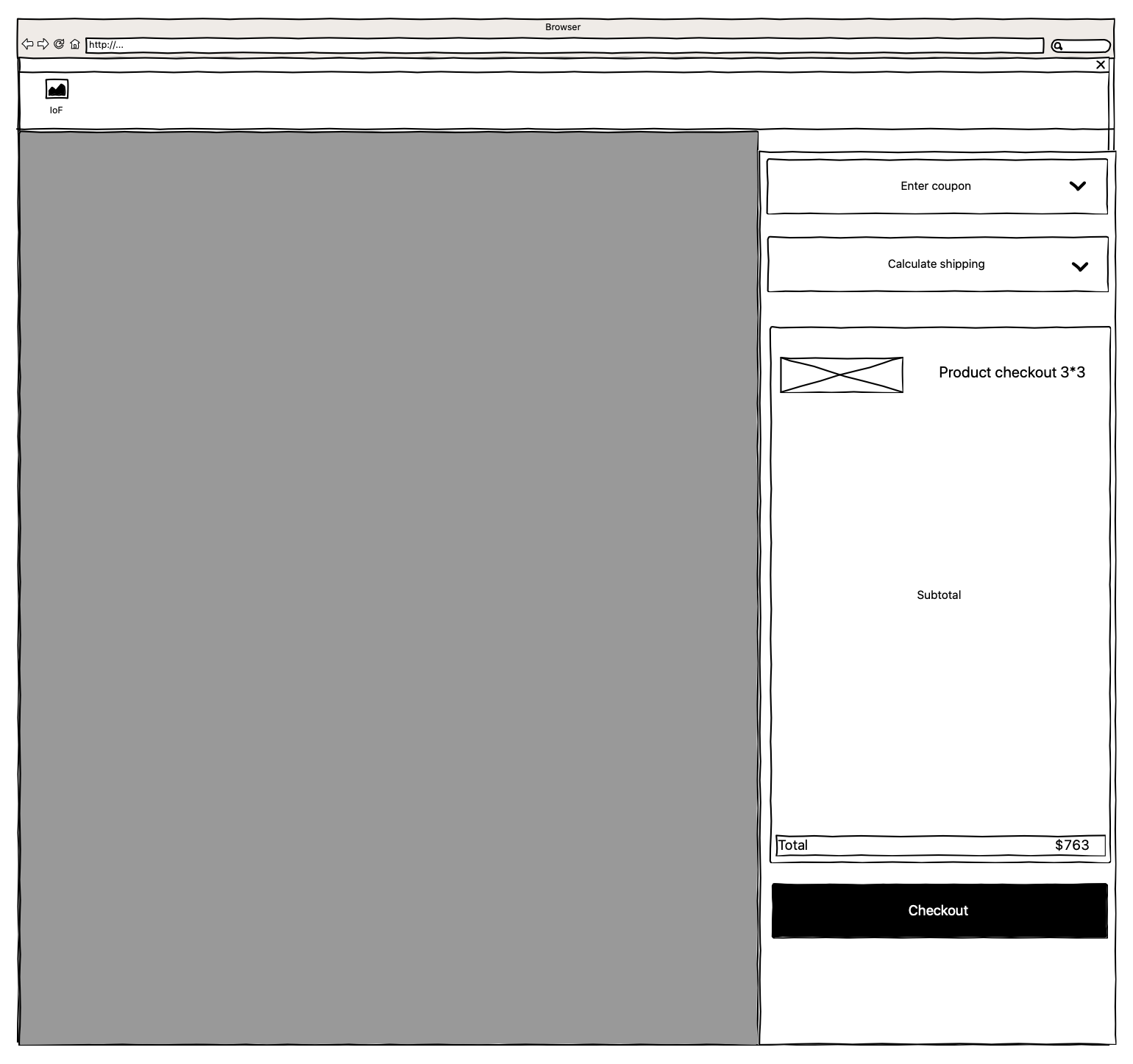
My Stance: I vetoed the popup, arguing it degraded the premium, eco-conscious brand equity. Instead, I proposed a "Round up for Trees" micro-interaction at checkout.
The Data: We A/B tested both. While the popup had higher immediate clicks, the "Round up" feature resulted in a 12% higher 90-day retention rate and $50k in additional donations. This proved that brand-aligned UX outperforms "dark patterns."
Cross Functional Leadership (The Collaboration): I partnered with the Data Science team to define the "Sustainability Score" algorithm. I translated complex carbon-offset data into a simple visual language that didn't overwhelm the user during the "Add to Cart" moment.
The "Cinematic" Execution
The Conflict: Stakeholders wanted a "Spin-to-Win" discount popup to drive immediate sales.
My Stance: I vetoed the popup, arguing it degraded the premium, eco-conscious brand equity. Instead, I proposed a "Round up for Trees" micro-interaction at checkout.
The Data: We A/B tested both. While the popup had higher immediate clicks, the "Round up" feature resulted in a 12% higher 90-day retention rate and $50k in additional donations. This proved that brand-aligned UX outperforms "dark patterns."



Impact
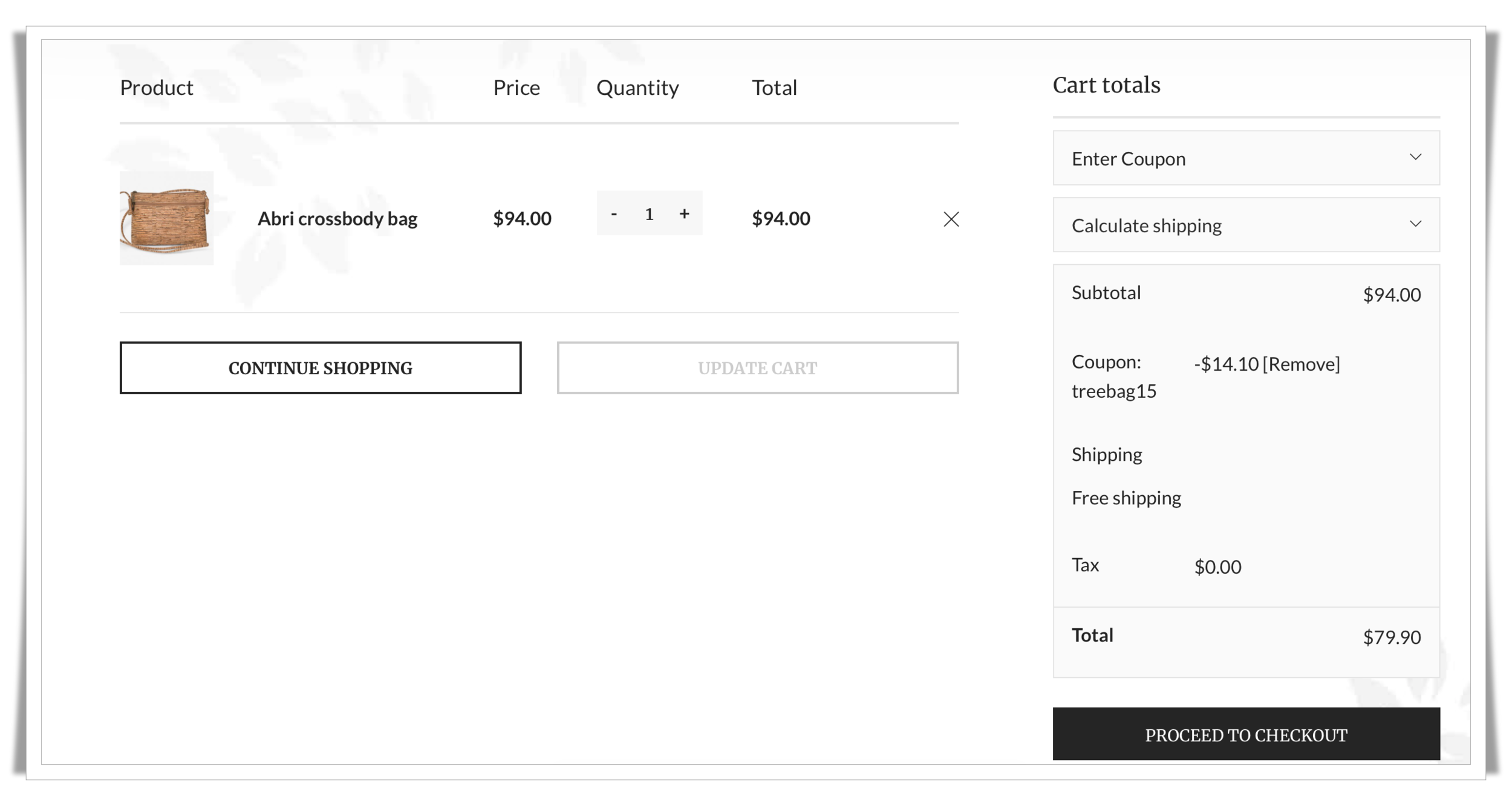
Conversion Velocity: Re-architected the "Impact-to-Cart" flow, driving a 28% lift in conversion by embedding sustainability proof-points directly into the browsing UI.
Revenue Growth: Designed a "Bundle for the Planet" upsell engine, increasing Average Order Value (AOV) by 14% ($12.50/transaction).
Retention & LTV: Launched the "Seedling" subscription model, achieving 40% MoM retention and stabilizing seasonal revenue fluctuations.
Operational Scale: Developed the "Root System" Design Library, reducing front-end sprint cycles by 3 weeks and doubling the team’s shipping velocity.
Brand Equity: Post-launch surveys showed a 50% increase in Trust Scores, proving that transparent data is a competitive advantage, not just a "nice-to-have."